Choosing the best welding cart for sustainability isn’t as straightforward as it might seem. Many overlook the environmental impact and focus solely on functionality. But can we have both? Let’s delve into how one can make a choice that’s both practically sound and environmentally responsible.
Understanding Sustainability in Welding Carts
When we talk about sustainability in welding carts, it’s not just about using recycled materials. Sure, that’s part of it, but what about the longevity and efficiency of the cart? A sustainable cart should serve you longer, reducing the frequency of replacements and thus minimizing waste.
I’ve seen countless instances where a cart’s lifespan was extended simply by choosing the right materials and design. Look for carts made from durable metals like aluminum or even steel. These not only last longer but have the potential to be recycled when they eventually wear out.
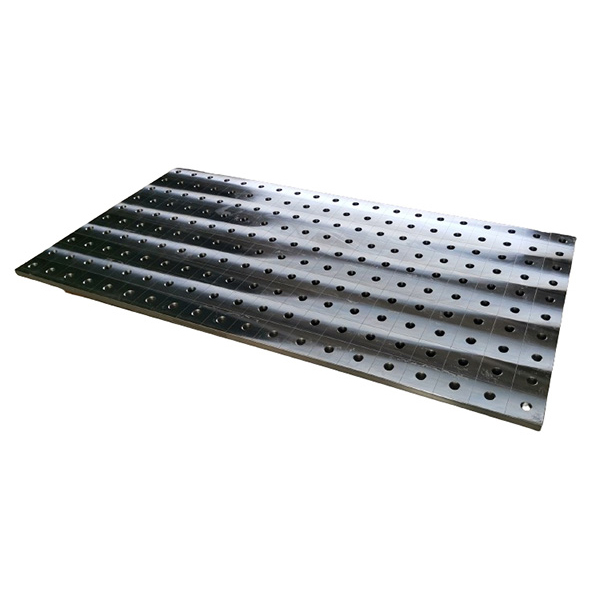
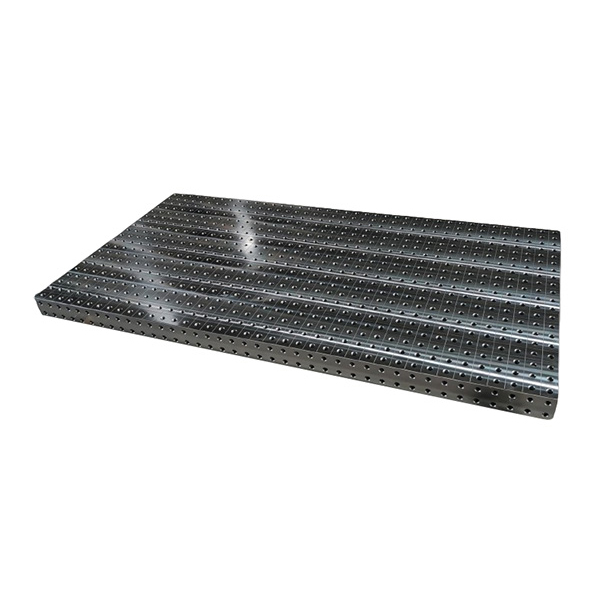
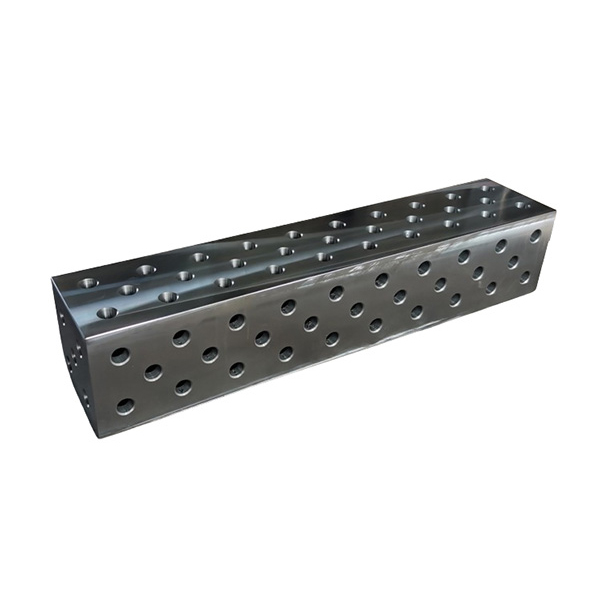
For instance, Botou Haijun Metal Products Co., Ltd., based in Botou City, offers welding carts that focus on durability. They’ve been in the business since 2010, producing tools and gauges that are both robust and thoughtfully designed. Their products can be explored further at Haijun Metals.
Efficient Design for Lower Impact
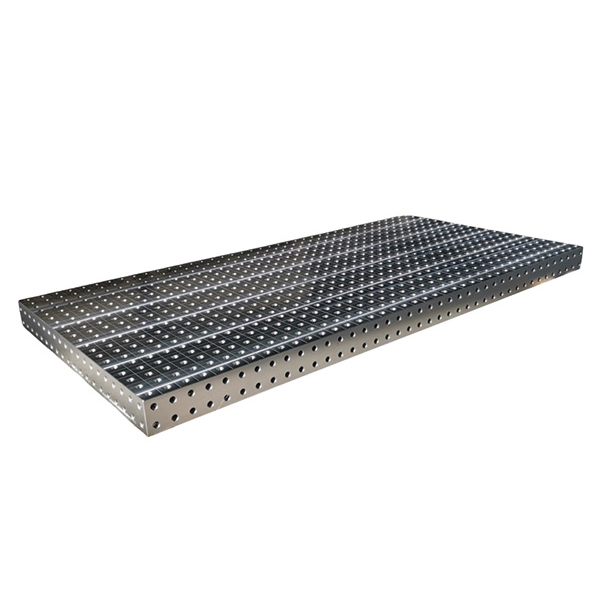
Design efficiency plays a crucial role in the sustainability of a welding cart. A well-designed cart that can carry multiple types of welding equipment reduces the need for additional carts, conserving resources. Stackable or collapsible designs add flexibility without expanding your environmental footprint.
I’ve worked with some carts that have interchangeable components, like adjustable shelves and customizable hook arrangements. This kind of adaptability means one cart can serve multiple roles, leading to fewer purchases and less waste over time.
An example is a cart I modified myself, with detachable sections for easy tool access and storage. While it’s not a commercially available piece, it’s a testament to what innovative design can achieve in terms of flexibility and efficiency.
Materials Matter: Choosing Wisely
The choice of materials is perhaps the most obvious aspect of sustainability, yet it’s often mishandled. Opting for recycled metals or those with a low carbon footprint can substantially lower environmental impact. Additionally, using non-toxic finishes and treatments can enhance the cart’s sustainability rating.
Some manufacturers might advertise green carts, but it’s crucial to verify what they mean by that. Does the cart have a reduced carbon footprint? Is it made from post-consumer recycled materials? These are the questions to ask.
At Botou Haijun Metal Products Co., Ltd., product specifications often highlight these details, allowing consumers to make informed decisions. Checking their offerings at Haijun Metals could be enlightening, especially when prioritizing sustainability.
Real-World Challenges
Implementing sustainable practices isn’t without challenges. One issue is cost; sustainable materials and designs can hike up prices. However, considering the long-term savings on replacements and the potential for reduced environmental taxes, the initial investment could well be worth it.
Another real-world consideration is compatibility. Sustainable carts sometimes struggle to match the versatility of more conventional options, requiring compromises or creative solutions in tool organization.
For those of us hands-on in the field, these aren’t just hypothetical worries. Balancing cost, functionality, and sustainability means sometimes rejigging expectations or even going DIY to fit specific needs.
The Verdict: Balancing Needs and Values
Ultimately, the best welding cart for sustainability is one that aligns with your operational requirements and environmental values. A truly sustainable choice will have a blend of durable materials, efficient design, and realistic pricing.
When considering your next purchase, keep in mind the insights shared and perhaps take a look at industry players like Botou Haijun Metal Products Co., Ltd., who are making strides in this space. It’s a nuanced decision, but with the right approach, you can meet both practical demands and sustainability goals effectively.