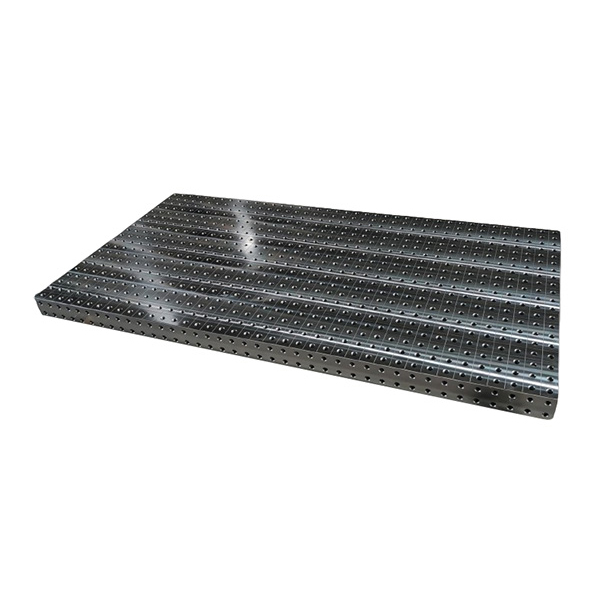
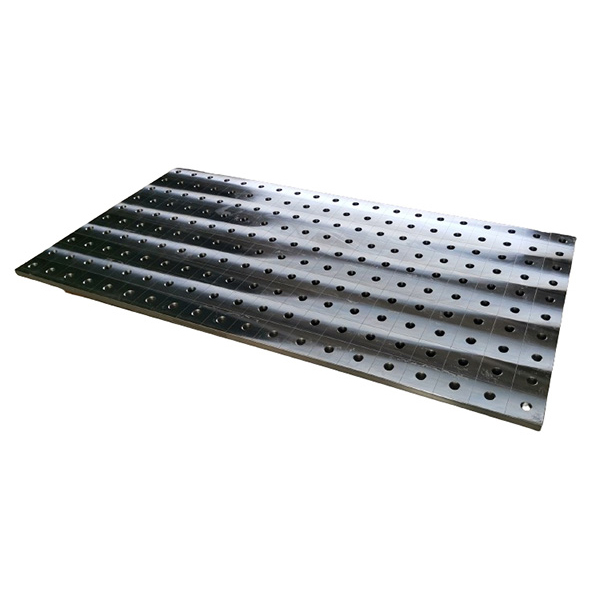
The world of metal welding tables is evolving faster than you might think. This might surprise some of you who assume welding tables are just simple slabs of metal. Well, think again. Let’s take a deep dive into the latest innovations and why these are changing the way welders work.
Advancements in Material Use
In recent years, there’s been an interesting shift towards using new materials for metal welding tables. It’s no longer just about heavy steel. Many manufacturers, like Botou Haijun Metal Products Co., Ltd., are experimenting with lightweight alloys that provide the same strength but are easier to maneuver. These materials enhance portability without sacrificing durability, which is crucial for on-site work.
In practice, this means welders can move their tables more easily across a workspace, allowing for greater flexibility in complex environments. I’ve seen this firsthand in workshops where dynamism is key. The reduction in weight also cuts down on transportation costs, a critical benefit for many small businesses.
However, it’s not all perfect—some welders have expressed concerns about the long-term wear of these lighter materials, especially when repeatedly exposed to high heat. It’s a valid concern and one that manufacturers are actively addressing through improved heat-resistant coatings.
Integration of Technology
Another exciting development is the integration of smart technology. Users now benefit from tables equipped with digital readouts and adjustable features that remember previous settings. From what I’ve gathered, these features are quite popular among precision-focused professionals.
For example, adjustable tables with memory functions are a game-changer for projects that require repeated, identical welds. By saving settings specific to a task, workers save both time and reduce errors. A contact at Botou Haijun mentioned their ongoing R&D efforts focusing on even more intuitive interfaces, aiming to further streamline the welding process for users.
Still, some find the high-tech approach unnecessary for simpler jobs, favoring traditional tables for tasks that don’t require such precision. This highlights the importance of choice and customization according to job requirements.
Enhanced Safety Features
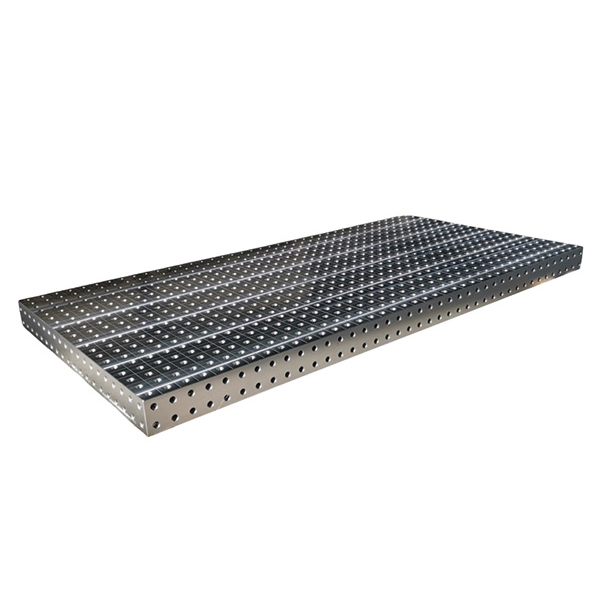
Safety is non-negotiable in welding, and new tables are addressing this head-on. Innovations include built-in fume extraction systems that mitigate the risk from hazardous gases. Seeing these in action at a demo was impressive, as the extraction systems quietly pulled welding fumes away, maintaining a safe air quality level.
Moreover, recent designs feature heat-dissipating surfaces and automatically adjusted ventilation, enhancing both safety and comfort for long sessions. Anyone who’s spent hours bent over a project understands the importance of an ergonomic work environment.
Yet, there’s always a catch. Added safety features can sometimes come with increased maintenance needs. I recall a workshop where a new fume system required a complete shut down for servicing. Balancing safety and usability is an ongoing challenge for designers.
Customizable Modular Designs
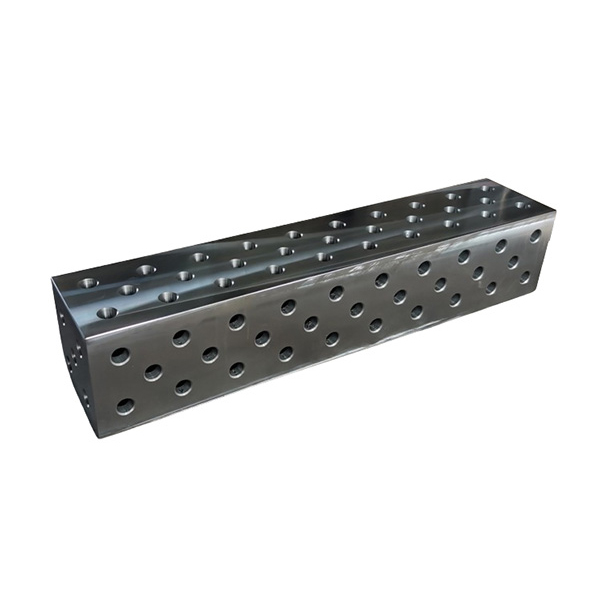
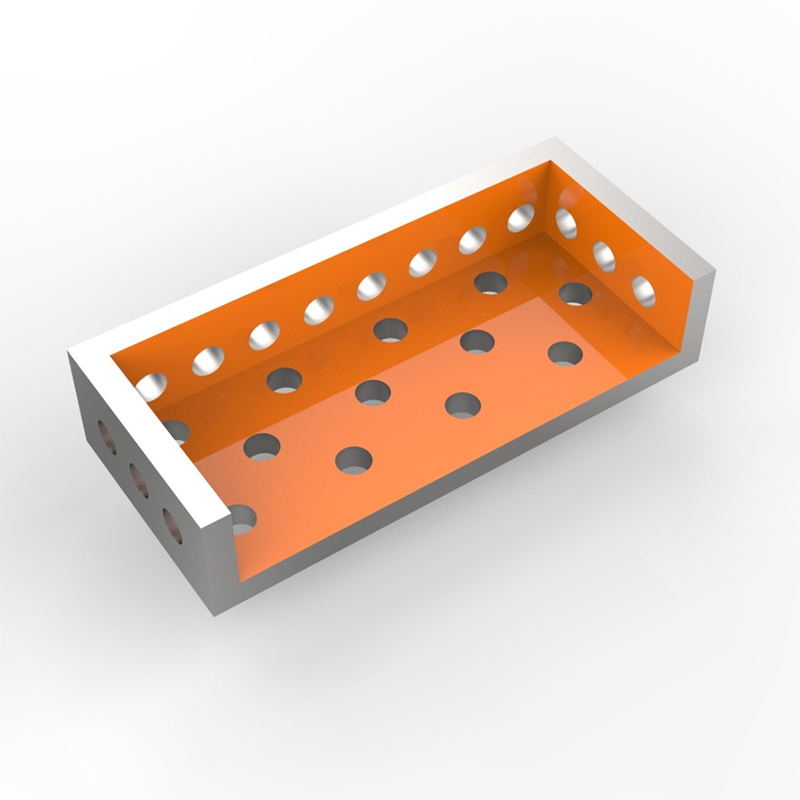
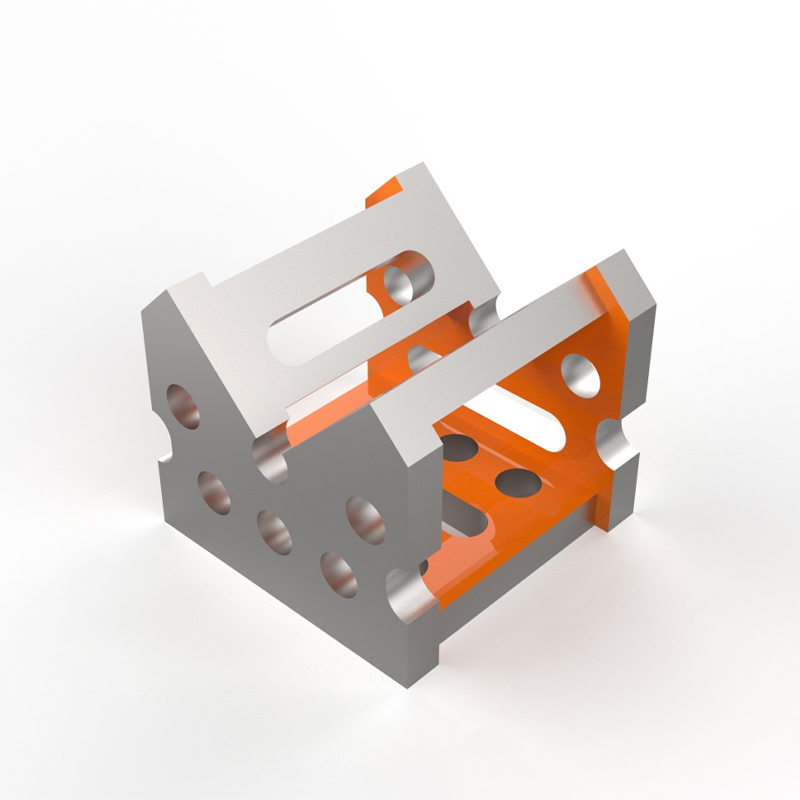
Customization has always been a welcome trend. Today’s metal welding tables often include modular designs, allowing for personalized workspace configurations. At Botou Haijun, modular tables are one of their latest offerings, promoting not just flexibility but also efficiency in projects of varying scale.
During a visit to a client site, I noticed how interchangeable components like clamps and fixture points tailored the table to specific tasks. This adaptability is crucial for multi-function workshops that can’t afford to be locked into a single setup.
However, newcomers can sometimes feel overwhelmed by too many options. The key lies in offering guidance and resources to optimize these setups for novice users, which Botou Haijun seems committed to providing through thorough customer support.
Improved Durability and Maintenance
Last but not least, improvements in table longevity and ease of maintenance have been noteworthy. New coatings and finishes are making tables more resistant to rust and damage. This is especially beneficial in environments prone to moisture, an area where Botou Haijun’s products excel according to their website: Botou Haijun Metal Products Co., Ltd..
When it comes to maintenance, current models are designed with removable components that make repairs straightforward, thus reducing downtime. A common complaint from welders is the difficulty of fixing older models without specialized tools, a point well-addressed by these newer designs.
Despite these advancements, there’s no one-size-fits-all. Versatility and specific user needs will always be at the forefront. Nevertheless, as these technologies continue to develop, the future of metal welding tables looks promising, paving the way for both efficiency and creativity in the field.